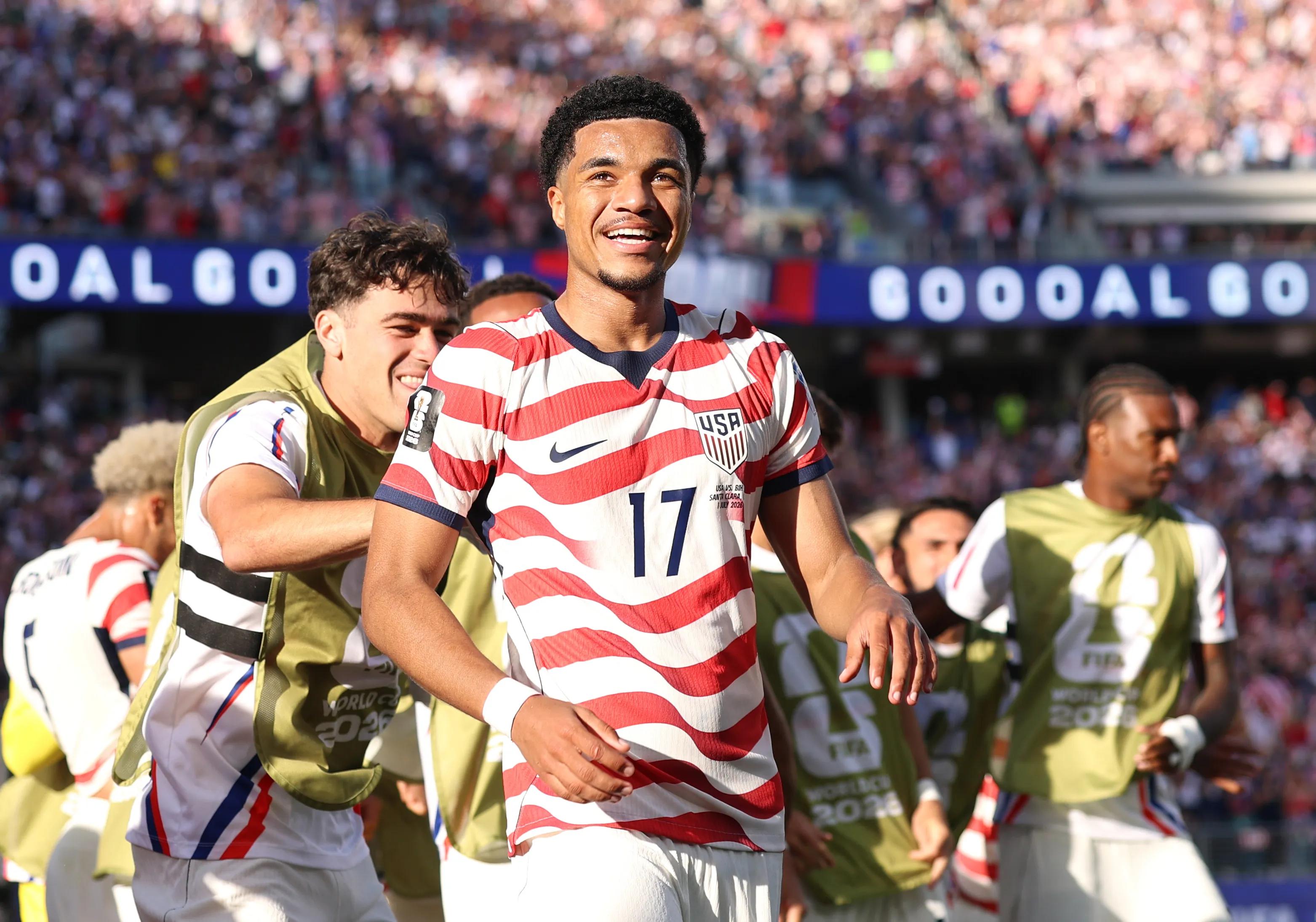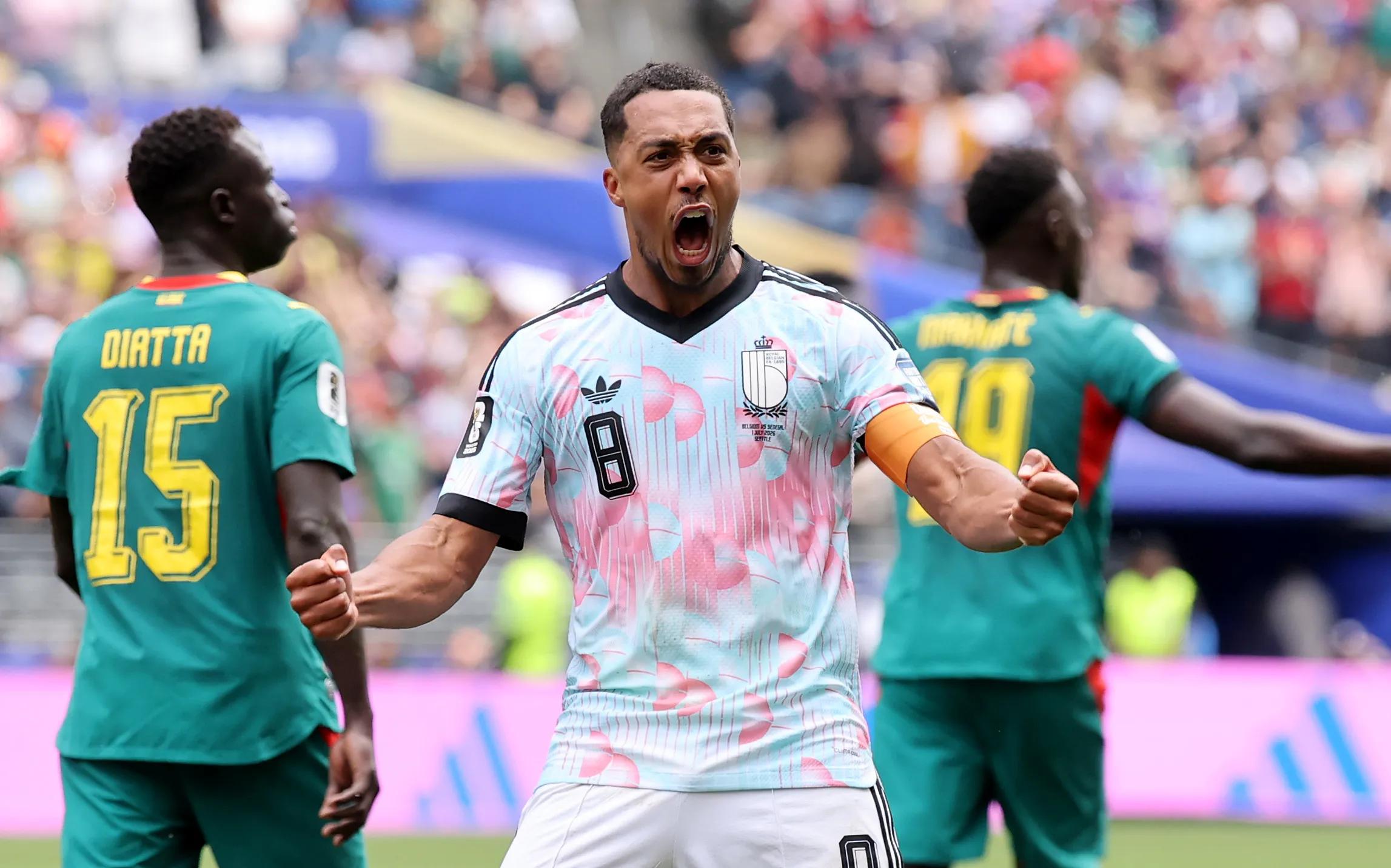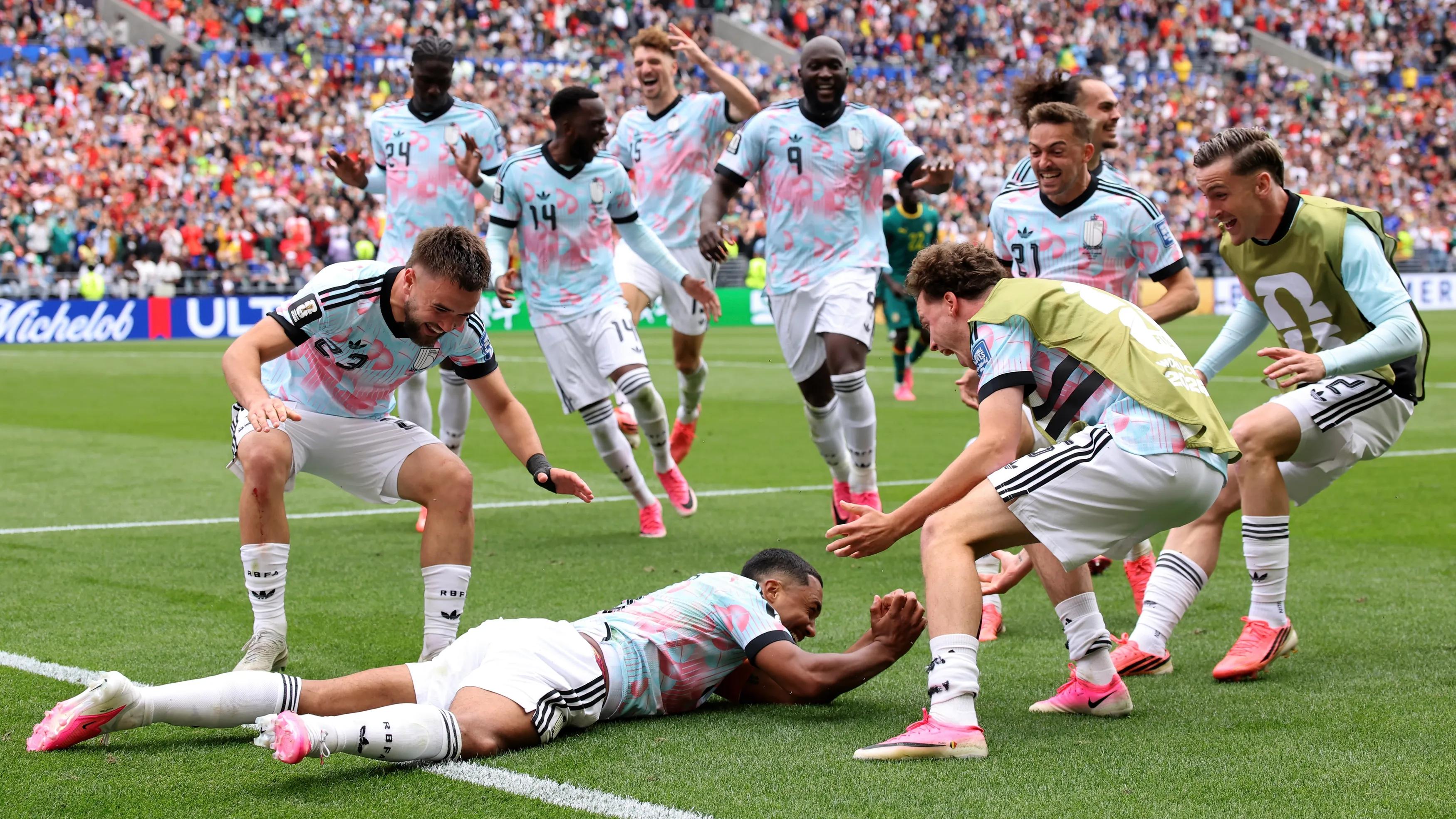
History has a curious habit of repeating itself through different players and different venues, yet preserving the essential narrative of improbable resurrection. Belgium's recovery against Senegal echoed their remarkable turnaround against Japan in Russia eight years earlier, establishing a pattern that defines this generation of Belgian football. Two-goal deficits in knockout matches typically signal the conclusion of tournament journeys. Teams retreat into damage limitation, hoping to preserve dignity rather than salvage victory. Belgium have rejected that logic twice now, demonstrating that their collective mentality includes a capacity for believing when rational assessment suggests otherwise. The Senegal match featured different protagonists than the Japan encounter. Lukaku and Tielemans replaced the figures who had starred in Rostov-on-Don. But the psychological thread connecting these events remains unmistakable. Belgium refuse to accept that matches are decided until the final whistle confirms the outcome. This trait has become their distinguishing characteristic. Other teams possess similar technical quality, comparable experience, equivalent tactical sophistication. What Belgium have cultivated is something more difficult to quantify: a belief system that sustains them through the darkest passages of competition. The implications extend beyond this single victory. Belgium have announced to the remaining competitors that they should never be considered beaten until the mathematics become absolute. Teams that face them in future rounds must calculate that their advantage, however substantial, might not prove sufficient. This psychological dimension adds another layer to Belgium's threat. The United States await in Seattle. Belgium will approach that contest with confidence derived from their escape against Senegal. But they also carry awareness that dramatic rescues cannot be repeated indefinitely. Football's margins remain fine, and fortune sometimes favours those who seize their opportunities earlier rather than later.
"Memento mori"